


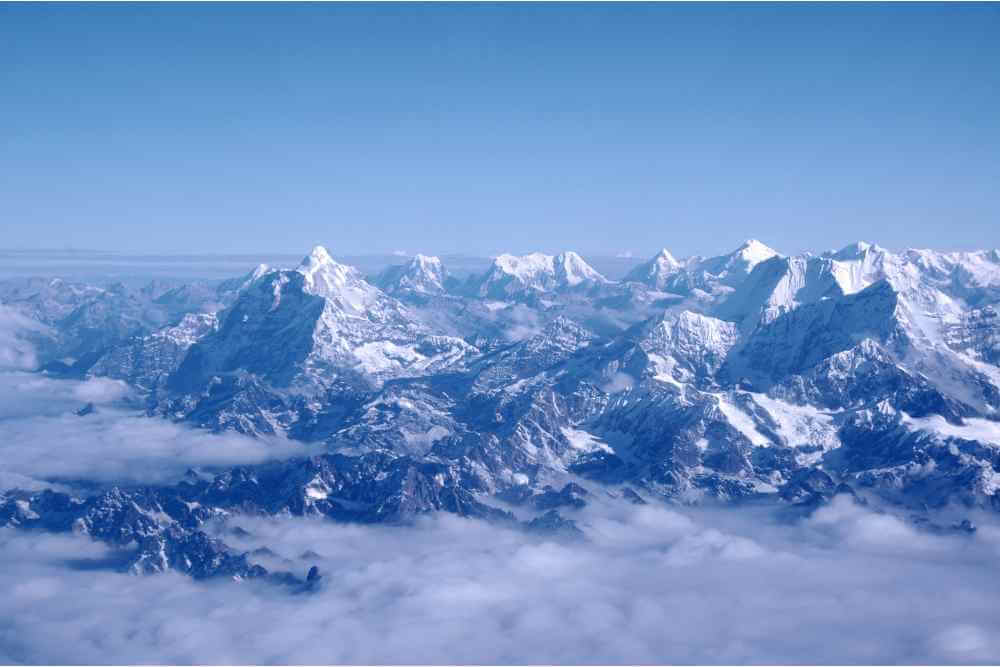
The mighty Himalayas are a world of their own—an intricate network of valleys, rivers, glaciers, forests, and soaring peaks that shape the climate and culture of South Asia. Stretching over 2,400 kilometers across India, Nepal, Bhutan, China, and Pakistan, the weather in the Himalayan region varies not only from country to country but also dramatically with altitude and season.
You May Also Like
For travelers, understanding the seasonal weather of the Himalayas is essential. Whether you’re planning to trek through the alpine trails, explore ancient monasteries, or simply soak in mountain serenity, the timing of your journey can define your experience. Here’s a comprehensive, season-by-season guide to Himalayan weather and how to prepare for it.
Spring (March to May): A Season of Renewal
Overview
Spring in the Himalayas is a time of renewal and awakening. After a long, harsh winter, the snow begins to melt, rivers swell with fresh glacial water, and valleys bloom with rhododendrons, orchids, and wildflowers.
Weather and Temperature
- Low altitudes (up to 1,500 m): 10°C to 25°C
- Mid altitudes (1,500 – 3,000 m): 5°C to 20°C
- High altitudes (above 3,000 m): -5°C to 10°C
Skies are mostly clear, and temperatures are moderate, though chilly nights persist at higher elevations. Occasional showers may begin in late May as pre-monsoon patterns emerge.
Travel Highlights
- Ideal trekking conditions in regions like Uttarakhand (Kedarnath, Chopta), Nepal (Annapurna, Langtang), and Sikkim.
- Excellent wildlife spotting in parks like Jim Corbett, Valley of Flowers, and Singalila.
- The famous rhododendron blooms in Nepal and North Sikkim peak around April.
Travel Tips
- Carry layers: daytime may be warm, but mornings and evenings can be cold.
- Waterproof gear is helpful for the occasional spring rain.
- Book treks in advance—spring is a high season for Himalayan tourism.
Summer (June to August): Warm Days, Wet Trails
Overview
Summer brings warmth to higher elevations, opening up some of the highest and most remote Himalayan regions. However, this is also monsoon season for most of the Indian and Nepali Himalayas.
Weather and Temperature
- Low altitudes: 20°C to 35°C
- Mid altitudes: 15°C to 25°C
- High altitudes: 5°C to 20°C
The western Himalayas, including Himachal and Uttarakhand, receive heavy rainfall. Trails can become slippery, and landslides are not uncommon. But not all is wet—Trans-Himalayan regions like Ladakh, Spiti, and Zanskar lie in rain shadows and stay largely dry.
Travel Highlights
- Best time for road trips to Ladakh, Nubra Valley, Spiti, and Tso Moriri via high passes like Rohtang, Baralacha La, and Khardung La.
- Buddhist festivals like Hemis in Ladakh are celebrated with great fervor in July.
- High-altitude desert landscapes come alive with activity, while traditional farming practices are visible in full swing.
Travel Tips
- Avoid monsoon-prone areas like eastern Nepal, Sikkim, and Uttarakhand during July and August.
- Always check road and weather advisories—landslides can disrupt travel.
- Use waterproof bags, gaiters, and reliable footwear.
Autumn (September to November): Clarity and Color
Overview
Autumn is widely considered the best season for Himalayan travel. With the monsoon rains gone, the skies are crystal clear, offering some of the most breathtaking views of snow-clad peaks.
Weather and Temperature
- Low altitudes: 10°C to 25°C
- Mid altitudes: 5°C to 20°C
- High altitudes: -5°C to 15°C
Crisp air, moderate temperatures, and low humidity make this season ideal for trekking and sightseeing. Autumn also coincides with post-harvest festivals in the Himalayan belt, offering a glimpse into rich local cultures.
Travel Highlights
- Treks like Everest Base Camp, Goecha La, Roopkund, and Har Ki Dun are in full swing.
- The visibility is unmatched, making it the perfect time for photographers and mountain lovers.
- Festivals like Dashain and Tihar in Nepal and Lhabab Duchen in Ladakh are celebrated with joy.
Travel Tips
- Expect crowds on popular routes—book accommodation and permits early.
- Layered clothing is still necessary; nights can be cold.
- Consider exploring offbeat trails like the Phoksumdo Lake Trek (Nepal) or Lamkhaga Pass (India).
Winter (December to February): Snow, Silence, and Solitude
Overview
Winter transforms the Himalayas into a snow-covered wonderland. While many high passes and treks become inaccessible, the lower and mid-Himalayas offer a peaceful retreat with fewer tourists.
Weather and Temperature
- Low altitudes: 0°C to 15°C
- Mid altitudes: -5°C to 10°C
- High altitudes: -15°C to 5°C or lower
Heavy snowfall is common above 2,500 meters, and many roads may close. However, winter also offers spectacular views of snow-capped ranges, frozen rivers, and tranquil villages.
Travel Highlights
- Winter treks like Kedarkantha, Nag Tibba, and Chadar Trek (Zanskar) attract adventure seekers.
- Ski resorts in Auli, Gulmarg, and Solang open for winter sports.
- Buddhist monasteries in Spiti and Ladakh hold winter rituals and celebrations.
Travel Tips
- Prepare for extreme cold with insulated gear, proper boots, and sleeping bags.
- Confirm accessibility—some villages become isolated due to snow.
- Carry backup power and emergency essentials; services may be limited.
Region-Specific Weather Insights
Ladakh and Spiti (Trans-Himalayas)
- Best time to visit: June to September
- Minimal rainfall due to rain shadow effect
- Winter temperatures can drop below -25°C
- Roads close in winter; air travel is the only option
Sikkim and Darjeeling
- Best seasons: Spring and Autumn
- Heavy monsoon rains from June to September
- Snowfall in high areas like Yumthang and Tsongmo Lake during winter
Uttarakhand and Himachal Pradesh
- Best times: April–June and September–November
- Treks open up in spring and fall; winters are good for skiing
- Monsoon brings landslides and flooding in July-August
Nepal
- Peak trekking seasons: March–May and September–November
- Everest and Annapurna regions follow similar seasonal patterns
- Monsoon brings lush greenery, but trails are muddy and leech-prone
Best Season by Travel Activity
| Activity | Ideal Season |
| High-altitude trekking | Spring, Autumn |
| Spiritual journeys | Spring, Autumn |
| Scenic photography | Autumn |
| Road trips (Ladakh/Spiti) | Summer (June–Sept) |
| Snow and skiing | Winter (Dec–Feb) |
| Cultural festivals | Autumn |
| Budget travel | Winter (off-season) |
Final Thoughts
The Himalayas are not just a mountain range; they are a dynamic ecosystem that breathes, evolves, and presents a different face with every season. Whether you seek the thrill of alpine trekking, the silence of a snowy monastery, or the joy of a blooming rhododendron trail, timing your trip with the weather in mind can elevate your experience.
Each season has its charm, but also its challenges. Plan ahead, pack smart, and embrace the rhythms of nature. With the right preparation, the Himalayas offer memories that last a lifetime—no matter when you choose to visit.
1 Comment