


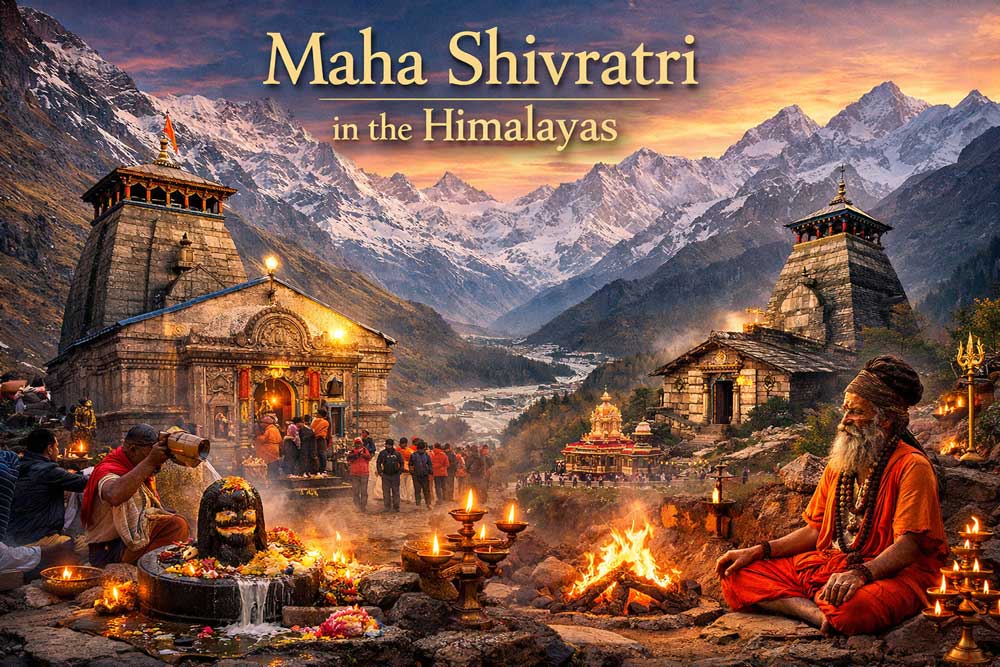
Maha Shivratri is an important Hindu festival, celebrated with deep devotion. It usually takes place in February or March and honors Lord Shiva’s cosmic dance, his union with Goddess Parvati, and spiritual growth. People across India and Nepal fast, perform pujas, chant mantras, and stay awake all night. But celebrating Maha Shivratri in the Himalayas feels especially magical.
You May Also Like



The Himalayas are home to beautiful mountains, clear valleys, glacial rivers, and ancient Shiva temples, making them a place full of devotion and adventure. Whether you seek a spiritual journey, want to explore culture, or enjoy adventure, this guide will help you plan your Maha Shivratri trip in the Himalayas.
Why the Himalayas Are Special for Maha Shivratri
People have long believed that the Himalayas are Lord Shiva’s home, a place for meditation, discipline, and a sense of closeness to the divine. For centuries, sages and devotees have travelled to these snowy mountains for spiritual growth. Celebrating Maha Shivratri here is more than just a festival; it is a real pilgrimage into Shiva’s spirit.
Unlike city celebrations, Himalayan Shivratri brings:
- Remote mountain temples steeped in mythology
• Natural beauty that amplifies spiritual energy
• A sense of peace and solitude amidst the divine peaks
The blend of spirituality and adventure makes the Himalayas a great place to celebrate Maha Shivratri, now and for years to come.
Top Himalayan Shiva Temples to Visit on Maha Shivratri
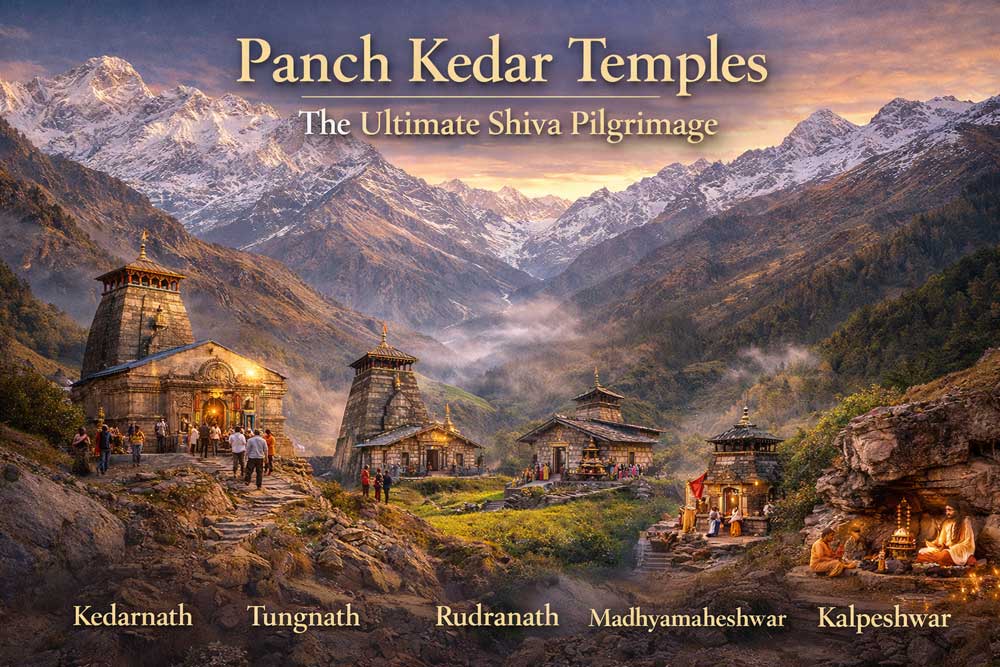
1. Panch Kedar Temples: The Ultimate Shiva Pilgrimage
The Panch Kedar are five ancient Shiva temples in the Garhwal Himalayas, each connected to stories about Lord Shiva from the Mahabharata.
Kedarnath, one of the twelve Jyotirlingas, is believed to be where Shiva appeared as a bull’s hump. It is a must-visit for Maha Shivratri pilgrims.
Tungnath is the highest Shiva temple in the world (over 3,600 m). The trek and views are unforgettable.
Rudranath, situated among forests and meadows, is famous for its strong spiritual atmosphere.
Madhyamaheshwar, called Shiva’s navel, is surrounded by beautiful Himalayan scenery.
Kalpeshwar is the only Panch Kedar temple accessible year-round.
Travel tip: Visiting the Panch Kedar temples means long treks and rough mountain paths. Plan your trip in advance and check if the temples are open, especially for high-altitude spots like Rudranath and Tungnath.
2. Kedarnath: The Crown Jewel of Himalayan Shivratri
At 3,583 meters in the Rudraprayag district of Uttarakhand, Kedarnath Temple is one of the most sacred Shiva shrines.
Why visit on Shivratri:
On Maha Shivratri night, devotees offer milk, flowers, and bilva leaves to the Shiva lingam, join all-night vigils, and chant “Om Namah Shivaya” in the cold mountain air. This experience is both mystical and life-changing.
How to reach:
- Nearest airport: Dehradun (Jolly Grant) → drive toward Gaurikund
• Trek: ~16 km trek from Gaurikund (or helicopter options available)
Planning note: Kedarnath usually opens in May after winter, which is often after Maha Shivratri. If you want to travel early in the year, check the opening dates before booking.
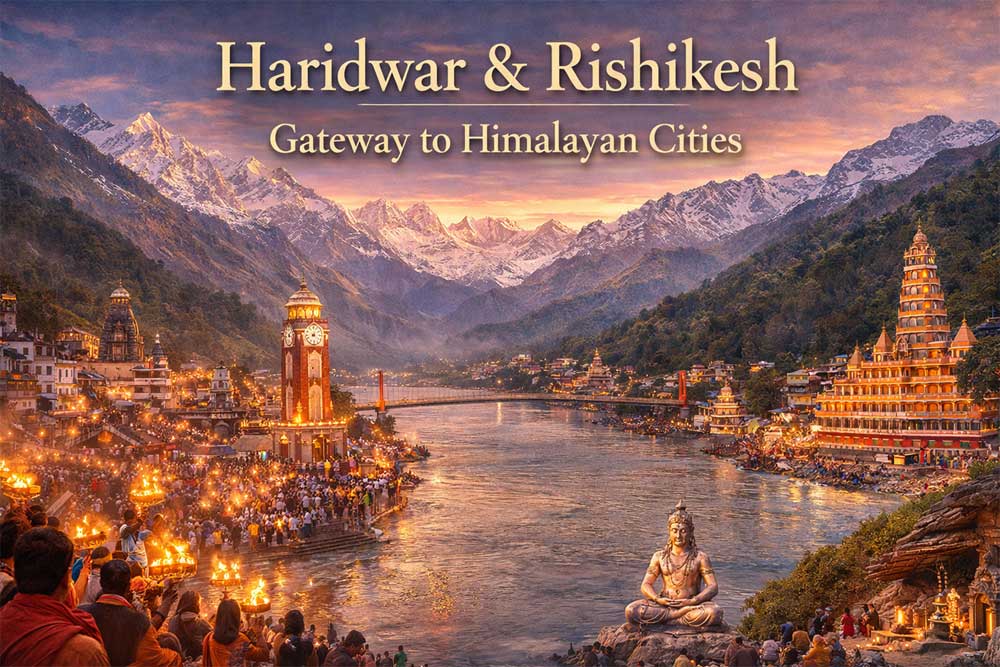
Haridwar & Rishikesh: Gateway to Himalayan Cities
If you prefer not to trek to remote temples, Haridwar and Rishikesh let you experience the Himalayan spirit while enjoying city comforts.
- Haridwar: Thousands perform Ganga aarti, take holy dips, and participate in temple rituals.
• Rishikesh: Home to Neelkanth Mahadev Temple and vibrant night-long devotional gatherings.
Both cities are excellent starting points for exploring the Himalayas and are easy to reach by road or train.
Other Himalayan Shiva Shrines
Not all of these temples are at high elevations, but they add cultural depth and local color to your Shivratri journey:
- A natural cave temple with waterfalls and sacred springs.
- Celebrates Maha Shivratri with fairs and decorations.
- Ancient Shiva temple near Rishikesh with jagran and melas on Shivratri.
Tip: Visiting these lesser-known temples helps you avoid crowds while still experiencing deep devotion and local traditions.
Rituals & Traditions During Maha Shivratri
Understanding the rituals can make your trip more meaningful:
Fasting & Vrat (Spiritual Discipline)
Many devotees either fast completely without food or water, or follow a lighter diet of fruit and milk. This practice is meant to purify the body and mind, helping people focus on spirituality during the festival.
Shiva Abhishek
Devotees pour milk, water, honey, yogurt, ghee, and bel leaves over the Shiva lingam in a sacred ritual bath called abhishek. This act represents purification and surrender to the divine.
Nightlong Jagran & Chanting
Staying awake all night, singing bhajans, chanting “Om Namah Shivaya,” and joining prayer sessions symbolize the victory of light over darkness.
These rituals are more than religious acts. For many travelers, they become an introspective and transformative experience in the peaceful Himalayan night.
Travel Tips for Maha Shivratri in the Himalayas
Plan Dates & Weather
Maha Shivratri usually happens in late winter or early spring, around February or March. In the higher Himalayas, snow and road closures are common, so always check the weather and local travel updates.
Book Early
Popular Himalayan towns like Haridwar, Rishikesh, and Chopta fill up quickly. It’s best to book your stay and transport early, especially if you want to be close to major Shiva temples.
Pack Smart
- Warm layers, as mountain nights can be freezing
• Good trekking shoes — uneven paths and trails
• Prayer items such as bel leaves, incense, and offerings (these are often available locally)

Combine Spiritual & Nature Itineraries
Make your trip a meaningful experience:
- Start with Haridwar/Rishikesh for devotional gatherings
- Move to Chopta/Tungnath or Panch Kedar for trekking
- Add serenity stops at Shiva shrines like Tapkeshwar or Virbhadra Temple
With this combination, your Maha Shivratri journey will be both spiritual and beautiful.
Conclusion: Maha Shivratri as a Himalayan Pilgrimage
Maha Shivratri in the Himalayas is more than a festival; it is a journey through devotion, nature, and culture. Whether you are chanting mantras by a rushing river, trekking to a high mountain temple, or standing with thousands of devotees under the stars, celebrating Shivratri here is truly unforgettable.
From the deep holiness of Panch Kedar to the lively spirit of Haridwar and Rishikesh, every moment brings you closer to Shiva and helps you find peace in the quiet mountains.
Har Har Mahadev! Wishing you an enlightening and memorable Maha Shivratri journey in the Himalayas.