


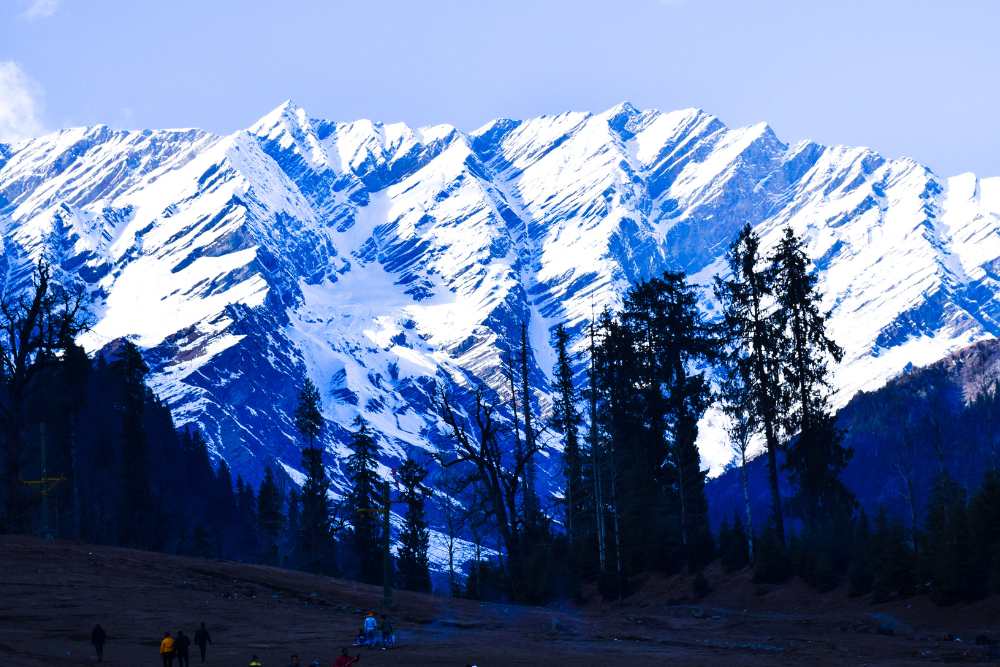
As you step onto the Himalayan path, the biting chill of the first icy wind wraps around you, and the scent of cedar incense lingers in the crisp air. The Himalayas are not only the world’s tallest mountains; they are also the spiritual heart of India. For centuries, sages, saints, pilgrims, and seekers have traveled these sacred paths to find a deeper connection, inner peace, and freedom. Himalaya Yatra is more than a trip through snowy peaks and deep valleys. It is a life-changing experience where devotion meets the beauty of the mountains.
The Himalayas are home to sacred shrines like Kedarnath and Badrinath, as well as peaceful places such as Gangotri and Yamunotri. These mountains are filled with stories of faith, legends, and spiritual growth. In this article, you’ll learn about their spiritual meaning, popular pilgrimage routes, travel tips, and why the Himalaya Yatra is such a powerful journey in India.
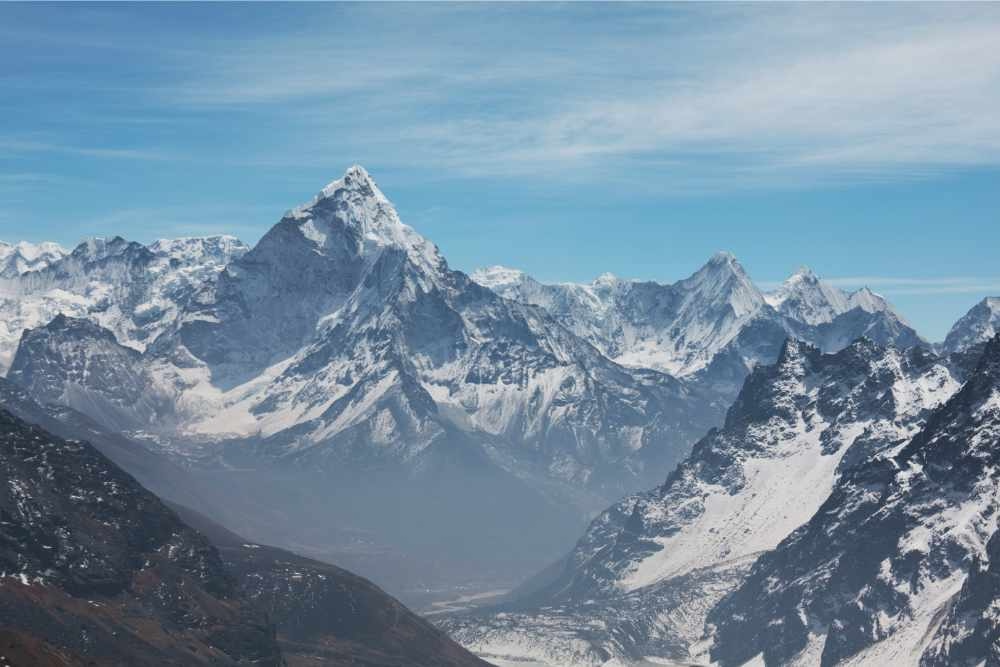
What is the Himalaya Yatra?
Himalaya Yatra refers to the sacred pilgrimage journeys undertaken across the Himalayan region, particularly in Uttarakhand, Himachal Pradesh, Jammu & Kashmir, and parts of Nepal and Tibet. These journeys often combine:
- Spiritual devotion
- Ancient Hindu mythology
- Natural beauty and meditation
- Physical endurance and inner discipline
High-search-volume keywords used naturally:
Himalaya Yatra pilgrimage, spiritual journey to the Himalayas, Himalayan pilgrimage tour, holy places in the Himalayas
Himalaya Yatra pilgrimage, spiritual journey to the Himalayas, Himalayan pilgrimage tour, holy places in the Himalayas
Traditionally, sages believed that the Himalayas were the gateway between the earthly world and higher consciousness, making them the ideal place for penance and moksha (liberation). In the Bhagavad Gita, the Himalayas are described as a transcendent abode where the boundaries between material existence and spiritual enlightenment blur. This connection is echoed in the Shiva Purana, which enshrines the mountains as a holy sanctuary revered throughout Hindu mythology.
Spiritual Significance of the Himalayas
The Himalayas are deeply embedded in Hindu scriptures such as the Vedas, Puranas, and the Ramayana. They are believed to be the dwelling place of Lord Shiva, the supreme yogi who resides on Mount Kailash.
Why the Himalayas Are Considered Sacred
- Birthplace of holy rivers like the Ganga, Yamuna, Alaknanda, and Saraswati
- Home to ancient temples and ashrams
- Center for yoga, meditation, and tapasya
- Mentioned in thousands of spiritual texts
Many pilgrims believe that a Himalayan yatra helps clear past karma and brings spiritual clarity. This makes it one of the most popular topics in spiritual travel in India.
Major Pilgrimage Destinations of the Himalaya Yatra
You May Also Like



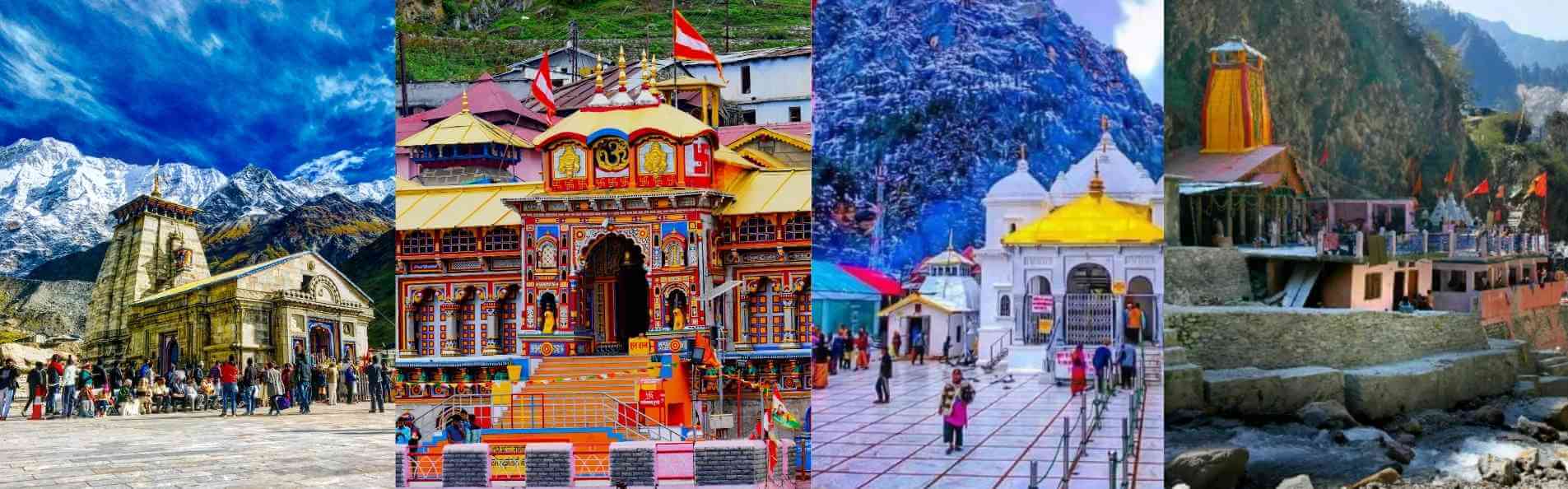
1. Char Dham Yatra – The Ultimate Himalayan Pilgrimage
The Char Dham Yatra is the most searched pilgrimage journey in the Himalayas.
Includes:
- Yamunotri – Origin of the River Yamuna
- Gangotri – Birthplace of River Ganga
- Kedarnath – One of the 12 Jyotirlingas of Lord Shiva
- Badrinath – Sacred temple of Lord Vishnu
Completing the Char Dham Yatra is believed to open the doors to salvation.
2. Kedarnath Yatra – Journey to the Abode of Shiva
Located at an altitude of 3,583 meters, Kedarnath is among the most searched Himalayan pilgrimage destinations.
Why Kedarnath is special:
- An ancient stone temple dating back to the Mahabharata era
- Surrounded by snow-covered peaks
- Powerful spiritual vibrations
3. Badrinath Dham – Vishnu’s Sacred Himalayan Home
Badrinath is a key Vaishnavite pilgrimage site and part of both the Char Dham and the Chota Char Dham.
Highlights:
- Located along the Alaknanda River
- Associated with Adi Shankaracharya
- Important for both Hindus and spiritual seekers
4. Amarnath Yatra – Ice Lingam of Faith
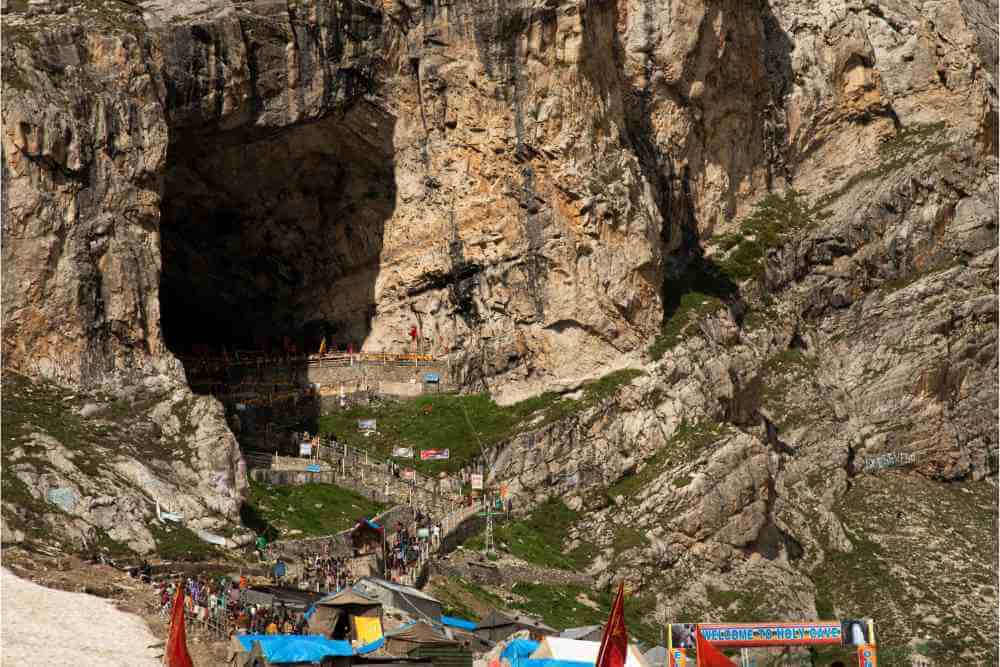
The Amarnath Cave Yatra in Jammu & Kashmir is one of India’s most challenging and sacred pilgrimages.
The naturally formed ice Shivling inside the cave symbolizes eternal faith.
5. Mount Kailash & Mansarovar Yatra
Though located in Tibet, Mount Kailash is spiritually linked to the Indian Himalayas.
- Sacred to Hindus, Buddhists, Jains, and Bon followers
- Considered the axis of the universe
- Performing Kailash Parikrama is believed to cleanse the accumulated sins of lifetimes.
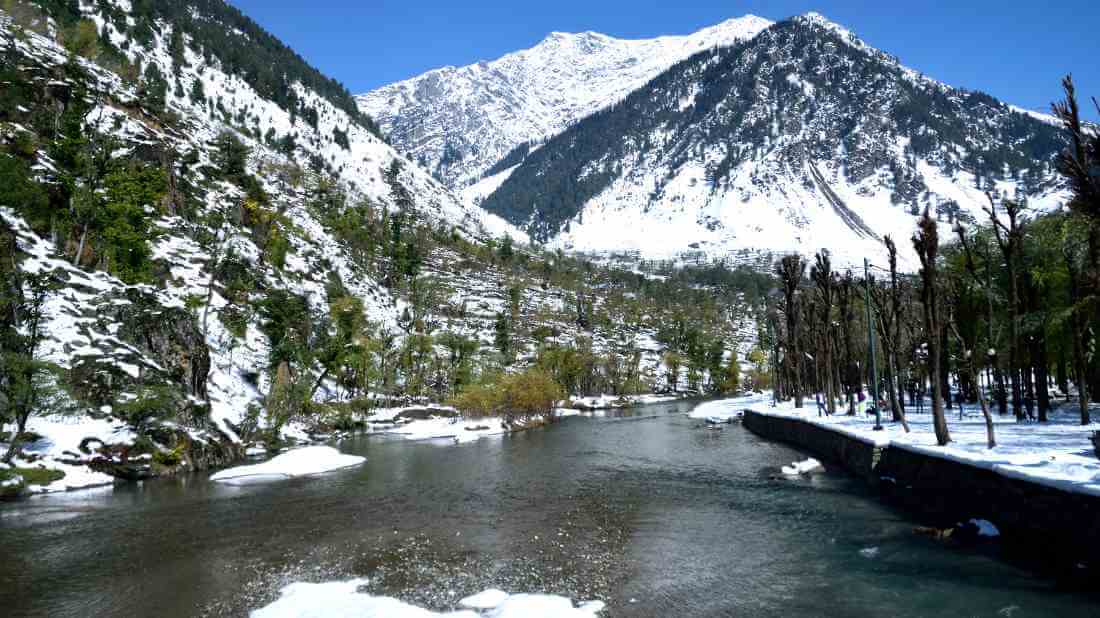
Best Time for the Himalaya Yatra
Picking the right time of year is important for both safety and a good experience.
Ideal Months
- May to June – Pleasant weather, peak pilgrimage season
- September to October – Clear skies, fewer crowds
Avoid:
- July–August (Monsoon) – Landslides and roadblocks
- Winter (November–April) – Temples closed due to heavy snowfall
Himalaya Yatra Travel Tips for Pilgrims
To rank for informational queries, practical guidance is essential.
Health & Fitness
- Acclimatize properly to avoid altitude sickness.
- Carry prescribed medicines
- Walk slowly and stay hydrated.
Packing Essentials
- Warm clothing and rain gear
- Comfortable trekking shoes
- ID proofs and Yatra registrations
- Power bank and torch
Safety Tips
- Always check weather updates.
- Travel with registered tour operators.
- Follow local guidelines and temple rules.
Himalaya Yatra for Spiritual Seekers & Meditation
Beyond temples, the Himalayas attract seekers looking for silence and self-realization.
Popular meditation destinations:
- Rishikesh – Yoga capital of the world
- Uttarkashi – Home to ancient ashrams
- Joshimath – Gateway to higher Himalayan spirituality
Many yogis believe that meditation in the Himalayas multiplies spiritual energy.
Why Himalaya Yatra is a Once-in-a-Lifetime Experience
Himalaya Yatra is different from ordinary travel because it tests both your body and mind. This journey teaches you:
- Patience through long treks
- Humility before nature’s power
- Faith during physical hardship
- Inner peace through devotion
For many, this journey marks a spiritual rebirth.
Himalaya Yatra and Sustainable Spiritual Tourism
With increasing footfall, responsible travel is essential.
Best practices:
- Avoid plastic usage
- Respect local culture
- Support local communities
- Keep pilgrimage routes clean.
Sustainable travel helps preserve the sacred Himalayan ecosystem.
Conclusion: Walking Where the Divine Resides
Himalaya Yatra: Where DeHimalaya Yatra: Where Devotion Meets the Majesty of the Mountains is more than a pilgrimage. It is a special connection between people and the timeless Himalayas. Each step carries ancient prayers, every river seems to whisper sacred mantras, and every peak reminds us of life’s greater meaning. Whether you seek blessings, peace, or self-discovery, the Himalayas welcome you with open arms and timeless wisdom. In a world driven by speed, the Himalaya Yatra invites you to slow down, surrender, and reconnect with the divine.